
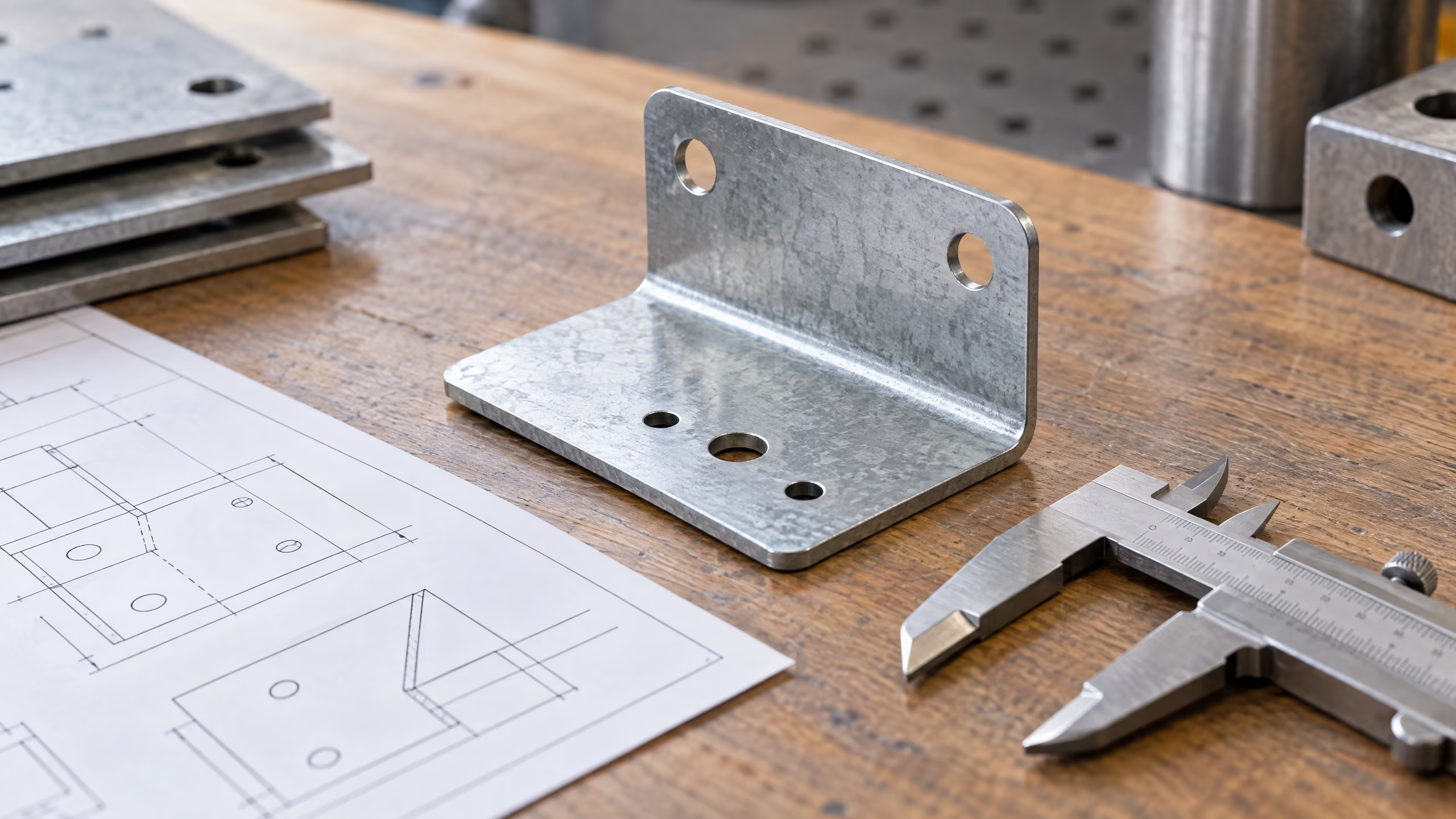
Most sheet metal problems are designed before the first cut. Small decisions about bend radius, hole position and tolerance make the difference between smooth production and costly rework.
Keep the inside bend radius practical
The inside radius should suit the material, thickness and tooling. A radius that is too small can crack the outside surface, especially on hard or thick material. A radius that is much larger than necessary may reduce bend accuracy or require special tooling.
For a first DFM review, send the material grade and thickness rather than assuming one radius works for every sheet.
Leave enough material beside a bend
Short flanges can collide with the punch or die during bending. The required minimum flange depends on the die opening, material thickness and bend height. Designers should mark small flanges early so the fabricator can confirm the tooling before cutting.
Keep holes away from bends
Holes placed too close to a bend can distort. If the hole must be near the bend, it is often better to punch or laser it after forming. Otherwise, increase the distance or add a relief feature where the design allows.
Separate critical tolerances from general tolerances
Applying a tight tolerance to every dimension increases inspection time and cost without improving the assembly. Mark only the features that control fit, alignment or function.
Use a general tolerance standard for everything else. A capable fabricator should flag tolerances that are tighter than the process can hold economically.
Use consistent hole sizes and hardware
A small set of repeated hole diameters reduces tool changes and setup errors. If the assembly uses clinch nuts, standoffs or rivets, confirm the manufacturer’s recommended hole size and the material condition before releasing the drawing.
Design for powder coating
Powder coating adds thickness and requires racking or hanging. Very small holes may close up, threads may need masking, and hidden surfaces may not receive full coverage. If color and finish matter, define the standard, texture and critical cosmetic surfaces.
The RFQ package we recommend
- STEP or DXF geometry
- Material grade and thickness
- Quantity and expected repeat volume
- Critical tolerances
- Surface finish and color
- Hardware and assembly requirements
- Any known packaging or shipping constraints
Best practice: let the factory review manufacturability before tooling or batch production. A DFM comment costs minutes; a failed batch costs weeks.